
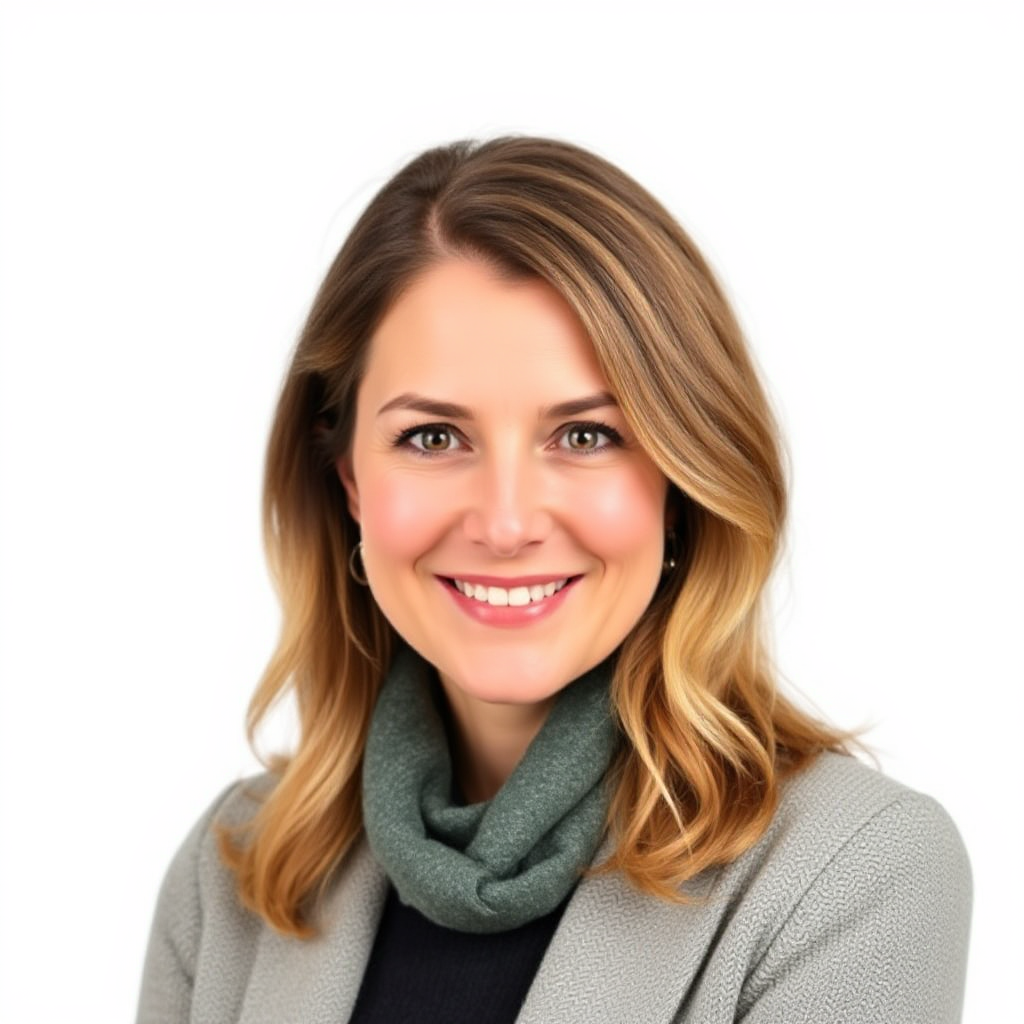

Previous Google executive has been officially confirmed as the BBC's new leader.
The ex-president of Google's EMEA operations will succeed Tim Davie, who revealed his departure in November following a controversy over how a current affairs show presented a address by Donald Trump.
The BBC's chairman stated that Brittin, who left Google in 2025 after 18 years, "provides the BBC deep knowledge of leading a prominent and complex institution through transformation".
The 57-year-old commented he "is eager to begin this task", labeling it "a period of significant risk, yet also real opportunity".
He added that the country needs "a robust BBC that serves the public in a complicated, volatile and fast changing landscape".
Outlining his agenda, he said: "The corporation requires the pace and drive to be simultaneously at the heart of news, and engaging with the public. To enhance the scale, reputation and creative excellence currently, address difficulties with bravery, and succeed as a public service ready for the years ahead."
'Radical Reform'
Shah called Brittin "a remarkable manager" with "the attributes required to steer the broadcaster through the many changes taking place in the media landscape and in audience preferences".
The chairman also commended his "dedication to the BBC, his understanding of the challenges facing the organisation, his commitment to its impartiality and his resolve to maintain the BBC's position as one of the UK's greatest national assets".
The incoming chief arrives at "a pivotal juncture", as the government examines the BBC's royal charter, the chairman added.
"There is no doubt there is need for sweeping transformation of the BBC, its licence fee system and the structure in which it functions. The risks for the BBC, and the long-term viability of the PSB model, have never been higher."

The BBC's most senior position is considered to be one of the most demanding in the UK's journalism.
During his tenure as the broadcaster's 17th chief, he was responsible for dealing with a succession of scandals and challenges at the corporation.
His priorities will involve dealing with a high-value defamation legal case brought by the US president against the BBC.
The former president is objecting to the way the programme combined two sections of a address he gave on January 6th, for which the BBC has said sorry.
Last week the broadcaster petitioned a legal body to throw out the case, arguing the controversial programme never aired in the US.
BBC at a Critical Juncture
The incoming director general takes charge at a pivotal time for the BBC in other ways, too.
He will proceed with negotiations with the government on the corporation's remit and the future of the funding mechanism and corporation financing.
The present framework, which outlines the conditions and aims of the BBC's role, will come to an end in the coming years.
His hiring also arrives at a point when the BBC is battling with digital behemoths in the digital media market.
Google's owner controls YouTube, with which the BBC not long ago disclosed a significant agreement to develop specially created programmes.
Big Tech Background a Asset?
A number of figures inside Google "are full of praise" about him, as an motivational leader and a great colleague".
Some have queried the BBC's decision to hire someone with a career history in the corporate world rather than traditional broadcasting or established editorial expertise.
However, it is believed that "he's been picked by the BBC Board for his deep understanding of the digital sector. There's an belief he will drive the shift to online, for example in news. He'll also probably focus on transforming and innovating BBC iPlayer."
Former senior BBC journalist Peter Barron, who collaborated with him at Google, said he is "deeply inspired by a feeling of the public good".
"He is passionate about the BBC for its reliable journalism and its creativity, but he's also very aware of its legacy as a technical trailblazer.
"His goal is for the BBC to succeed in a climate where several of its biggest issues are connected to tech, whether that's the power of the streamers, digital disinformation, or just how people prefer to consume content.
"Given his track record and connections within the digital world, and also the relationships he's built with broadcasters, the press, regulators and authorities, I think he's extremely well positioned to address the issues."
Who is Matt Brittin?

Hailing in Surrey, he earned a degree from the Cambridge University, while also participating in rowing for them in the university boat race three times.
He also raced for Team GB and won|secured|earned


